 TC CHEMICALS
Contact US
lf you have any queries, get in touch today! Don't hesitate, We try to take the extra step forour customer satisfaction.
Products
Chemical Engineering and Process
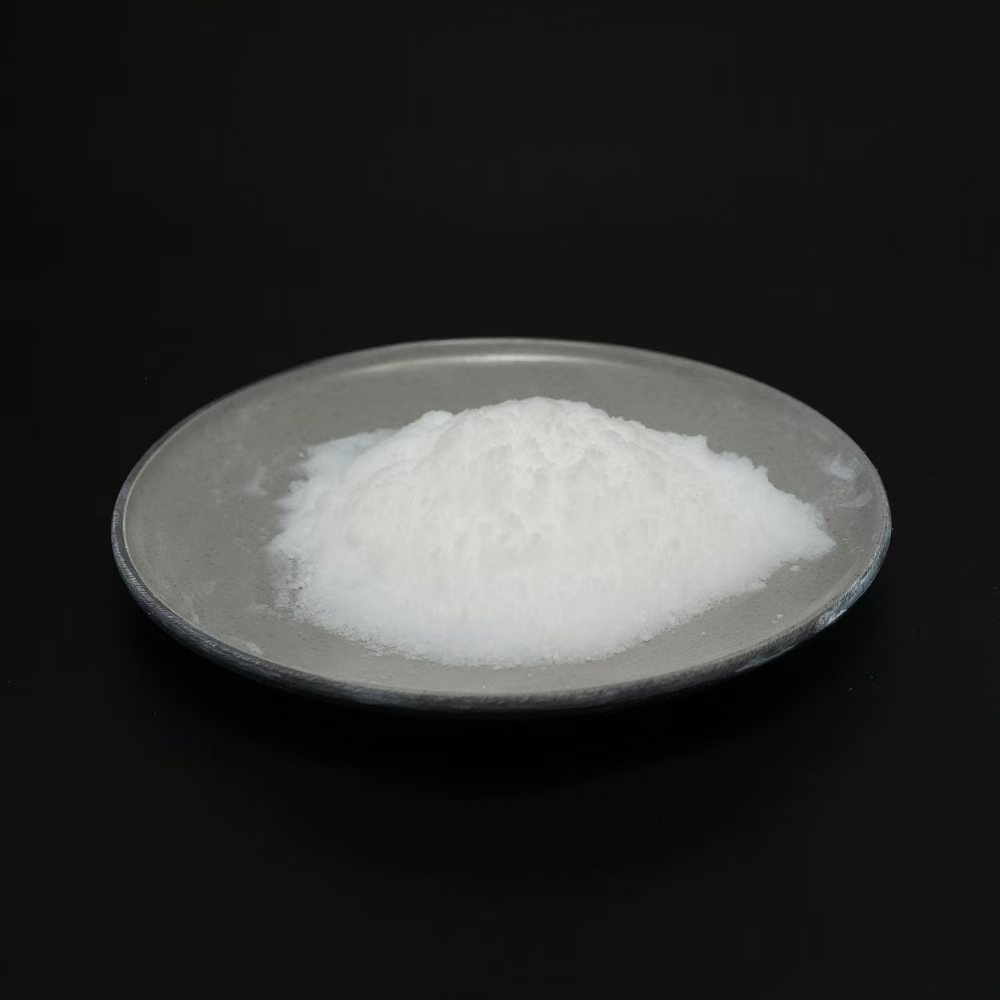


Silicon Dioxide
Silicon Dioxide Amorphous White Powder Is Used as Carriers/Processing Aids in Feed Animals.
CAS No: 7631-86-9
Fumed Silica
CAS No: 112945-52-5
Silicon Dioxide Amorphous White Powder Is Used as Carriers/Processing Aids in Feed Animals.
CAS No: 7631-86-9
Fumed Silica
CAS No: 112945-52-5
Silicon dioxide (SiO2), also known as silica, is a natural compound made of two of the earth’s most abundant materials: silicon (Si) and oxygen (O2). It is obtained as a transparent to grey, in its crystalline or amorphous powdered form. It is odourless and tasteless compound. Silicon dioxide is most often recognized in the form of quartz. It’s found naturally in water, plants, animals, and the earth. The earth’s crust is 59 percent silica. It makes up more than 95 percent of known rocks on the planet. When you sit on a beach, it’s silicon dioxide in the form of sand that gets between your toes. It’s even found naturally in the tissues of the human body. Though it’s unclear what role it plays, it’s thought to be an essential nutrient our bodies need.
Frequently Asked Questions – FAQs
Q1 What are the uses of silicon dioxide?
Approximately 95 per cent of the industrial usage of silicon dioxide (sand) exists in the building industry, e.g. for concrete production (Portland cement concrete). Silica, in the form of sand, is used as the key ingredient for the manufacture of metallic components in engineering and other applications of sand casting. The relatively high melting point of silica allows for its use in these applications.
Q2 How is silicon dioxide produced?
Mostly, silicon dioxide is obtained via mining activities including sand extraction, and quartz purification. Quartz is suitable for many purposes, whereas chemical processing is needed to render a more suitable product (e.g. more reactive or fine-grained) purer or otherwise. Silica fume is derived from hot processes such as the processing of ferrosilicon as a by-product.
Q3 Is silicon dioxide toxic?
When orally consumed, silica is essentially non-toxic. However, inhaling finely divided silica crystalline dust may contribute to silicosis, bronchitis, or lung cancer, as the dust becomes trapped in the lungs and constantly irritates the tissue, decreasing lung capacity.
Q4 What is the function of silicon dioxide?
Silicon dioxide is also added to many foods and supplements. As a food additive, it serves as an anticaking agent to avoid clumping. In supplements, it’s used to prevent the various powdered ingredients from sticking together. Q5 Is SiO2 linear or tetrahedral? SiO2 has a linear shape with the two oxygens connected to the Si by double bonds. There are no lone pairs on the Si. This would be an example of sp hybridisation. In polymer form SiO2 is tetrahedral.


 Copy product links
 Long by picture save/share
INQUIRY


Add Successfully
INQUIRY
Add Successfully
Related products


Stay up to date with our latest news
Subscribe to our newsletter and stay updated on the latest
developments and offers!
Stay up to date with our latest news
Subscribe to our newsletter and stay updated on the latest
developments and offers!

点击右上角
分享给朋友吧
Copyright © 2024 TC Chemicals. All Rights Reserved.
5454 Surrey Path, Unit 107, Frisco, TX 75034
Monday - Friday : 9:00am - 18:00pm


Copyright © TCchemicals. All Rights Reserved. POWERBY.020JT.COM
